Car park barriers and road blockers
Keep traffic moving where you want it and out of where you don't. Our team supplies, installs, commissions and looks after rising arm barriers, road blockers and height restriction barriers for car parks, service yards, industrial estates, retail sites and managed residential blocks.
We're happy to look after barriers on any make, whether we installed them or not.
The barriers we install
Rising arm barriers
The familiar car park barrier. An arm lifts to let a vehicle through and drops behind it. Specified by arm length, cycle speed and how hard the entrance works.
Road blockers
A steel plate or wedge that rises out of the road surface. Where a barrier arm would simply be driven through, a road blocker won't be.
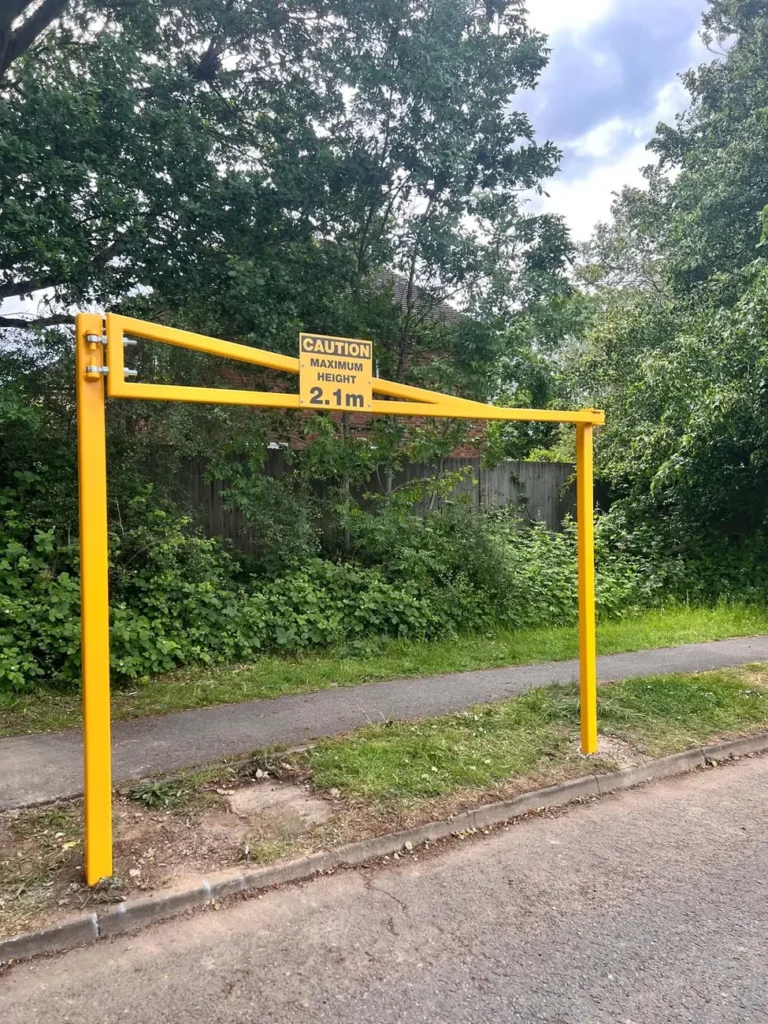
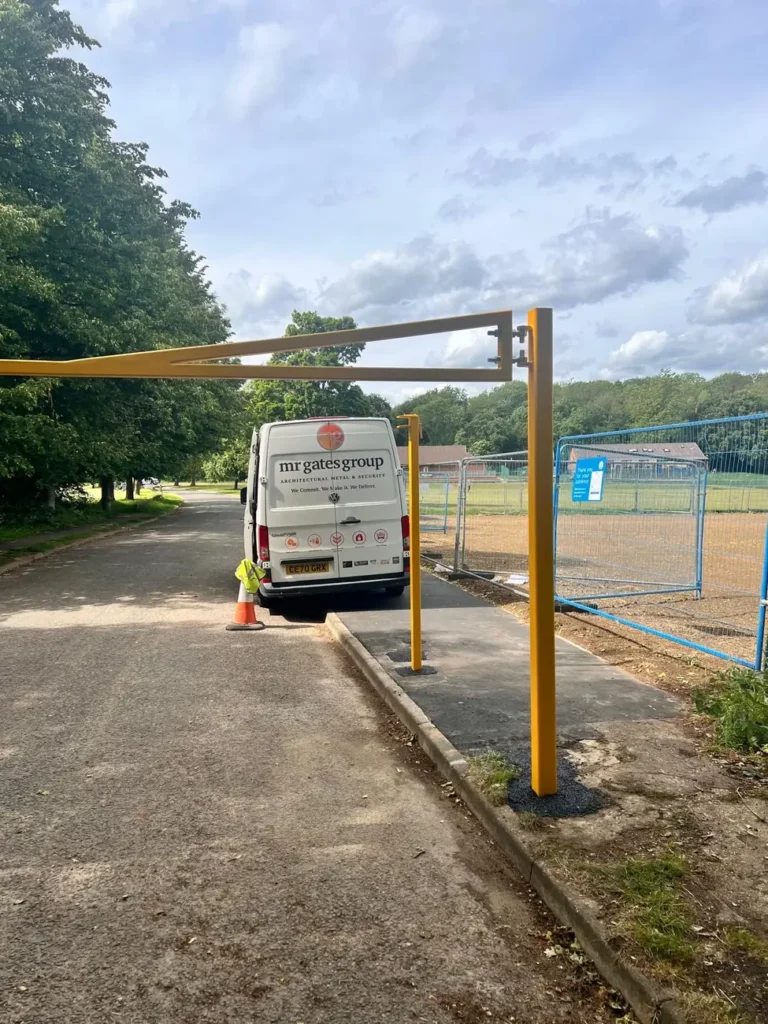
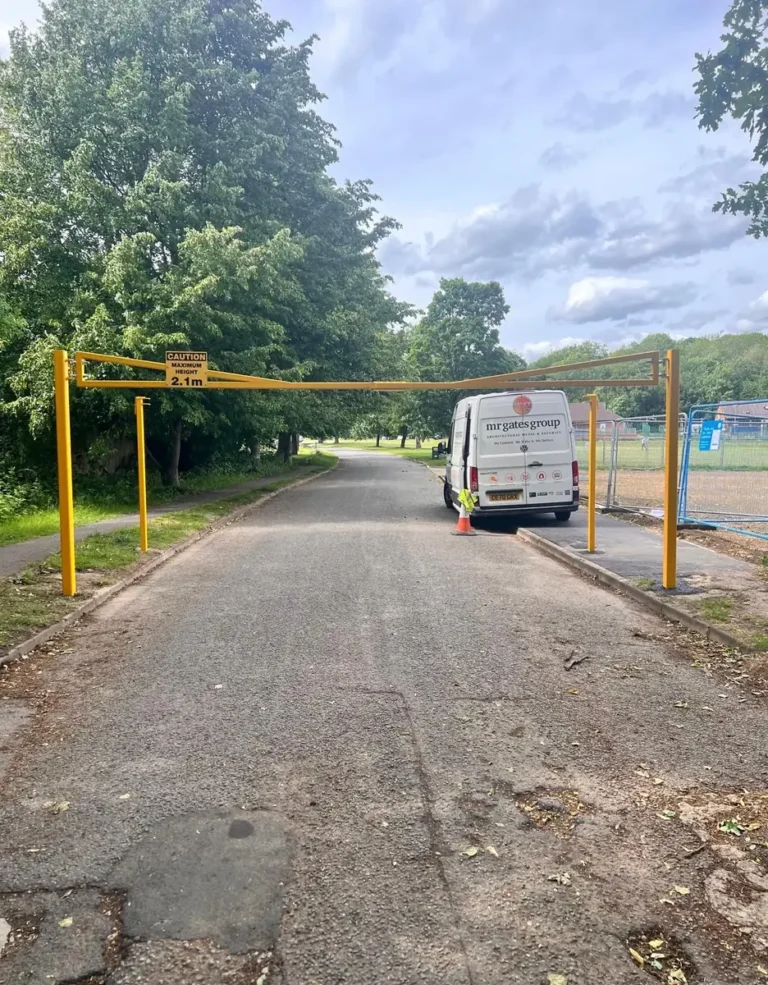
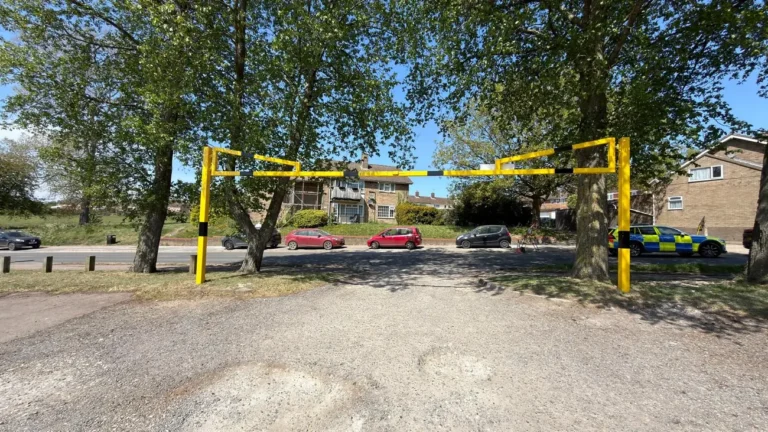
Height restriction barriers
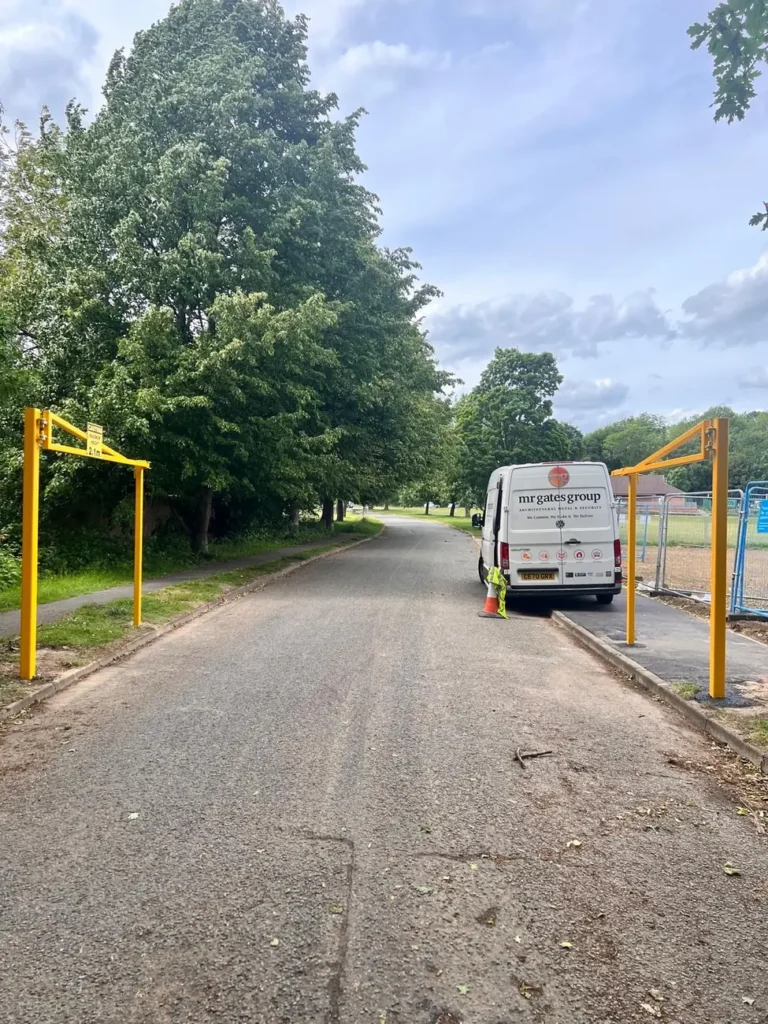
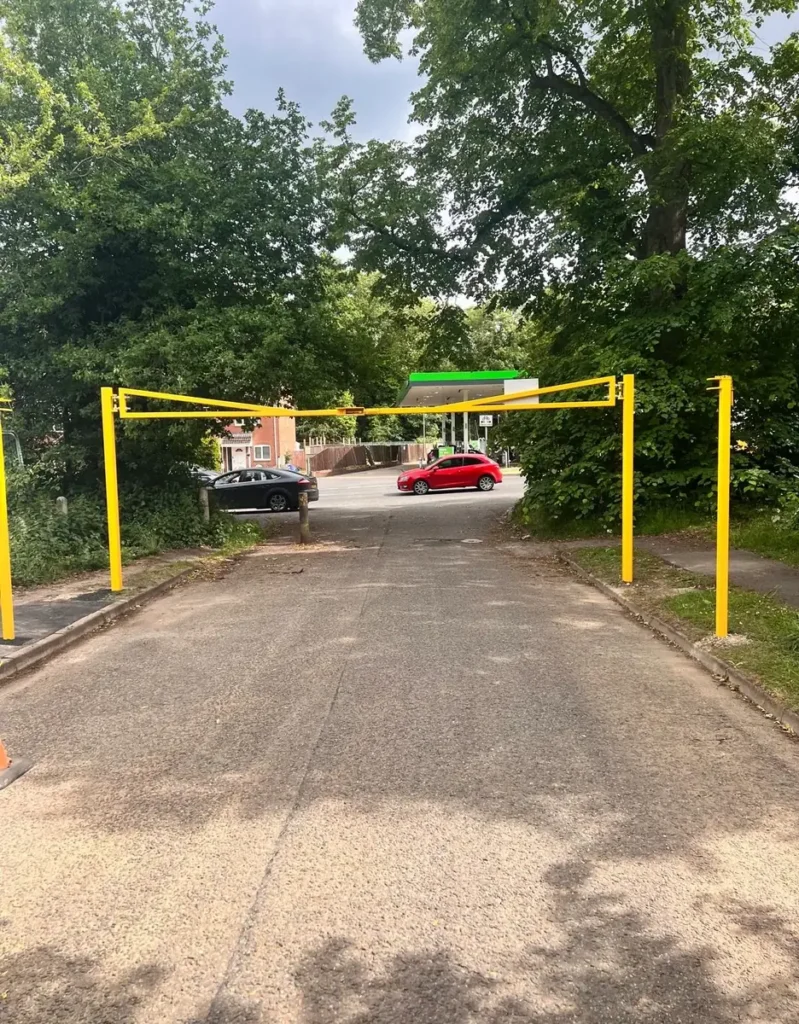
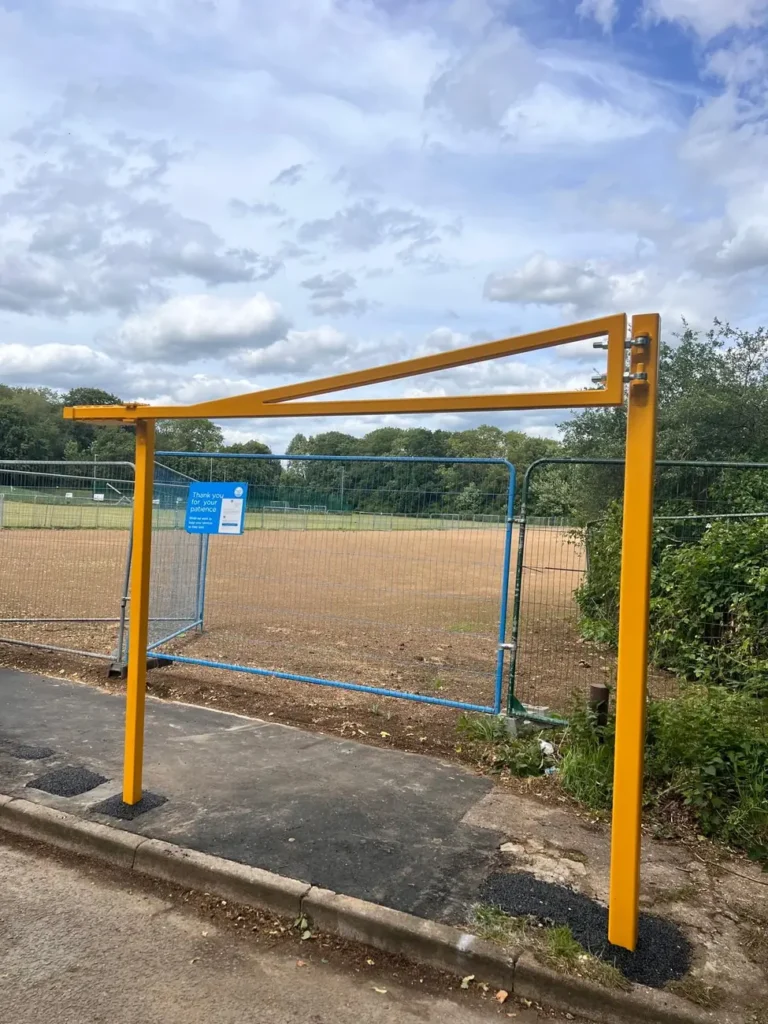
Fixed or swing-away frames that keep vehicles above a set height out of a car park, a service yard or an undercroft.
Sliding barriers
For when there's no room to swing an arm up, or the opening is wider than an arm will span.
Temporary barriers
Site access during construction, events or phased works, where the arrangement needs to change as the site does.
Barriers in service
The sites that need one
- Car parks. Controlling who comes in, keeping bays for the people they're meant for, and closing the site outside opening hours.
- Retail and leisure. Managing dwell time and keeping the car park for your customers.
- Industrial estates and service yards. Keeping delivery and plant traffic on the right route and off the pedestrian one.
- Managed residential blocks. Usually chosen by managing agents rather than residents, and specified around leaseholder access, visitor parking and what the block can actually be charged for.
- Height restricted areas. Undercrofts, low structures and car parks where an over-height vehicle causes a very expensive afternoon.
Also relevant: public sector and local authority.
Barriers that work with the rest of the entrance
A barrier is only as useful as whatever tells it to lift, so we make sure the right people get through easily. We wire barriers into intercoms, keypads, proximity readers, fobs, loop detectors and site access systems, so one credential works across the whole entrance, gates and bollards included.
Automatic number plate recognition can be part of that arrangement where a site already runs it or wants it, as one input among several.
What a stuck barrier actually costs
A barrier fails in one of two ways, and both are expensive. Stuck down, and nobody gets in: deliveries queue on the road, staff park where they shouldn't, and someone eventually lifts the arm by hand and breaks it properly. Stuck up, and the site is open to anyone.
That's why barriers are the most common thing on a planned maintenance contract, and why looking after them is where we really earn our keep. Arms get hit, gearboxes wear, loop detectors get cut by resurfacing, and photocells fill with grit.
We hold 100+ maintenance contracts, we offer same day emergency response, and every visit ends with a documented job report setting out what we found and what we did.
When a barrier isn't the answer
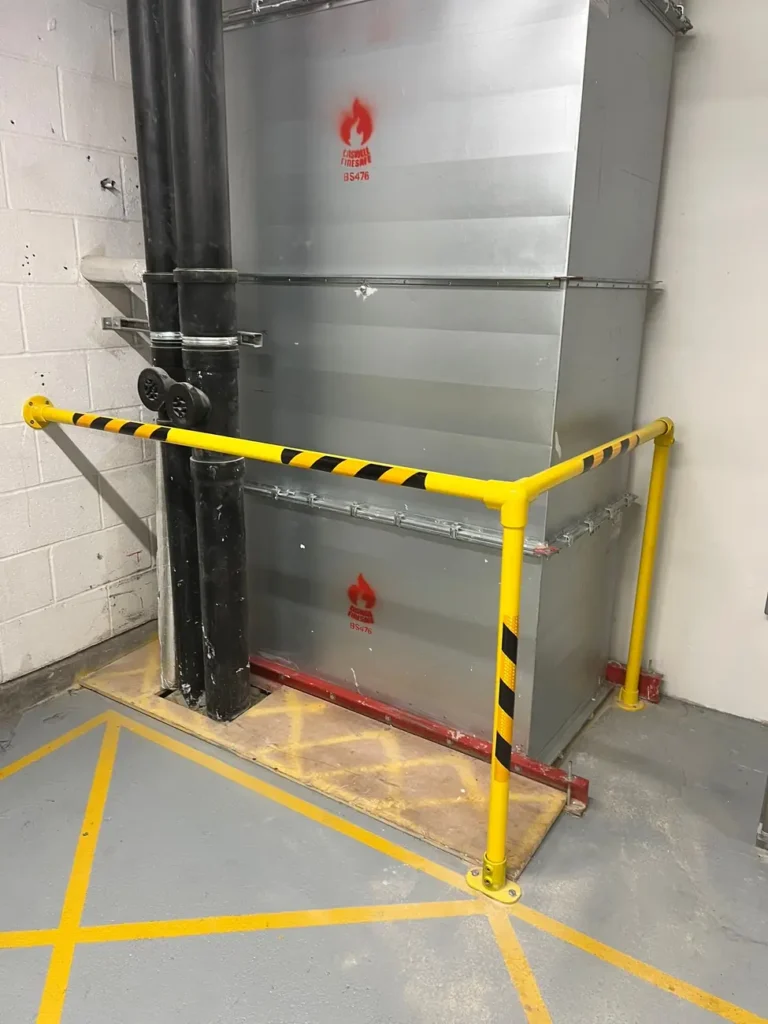
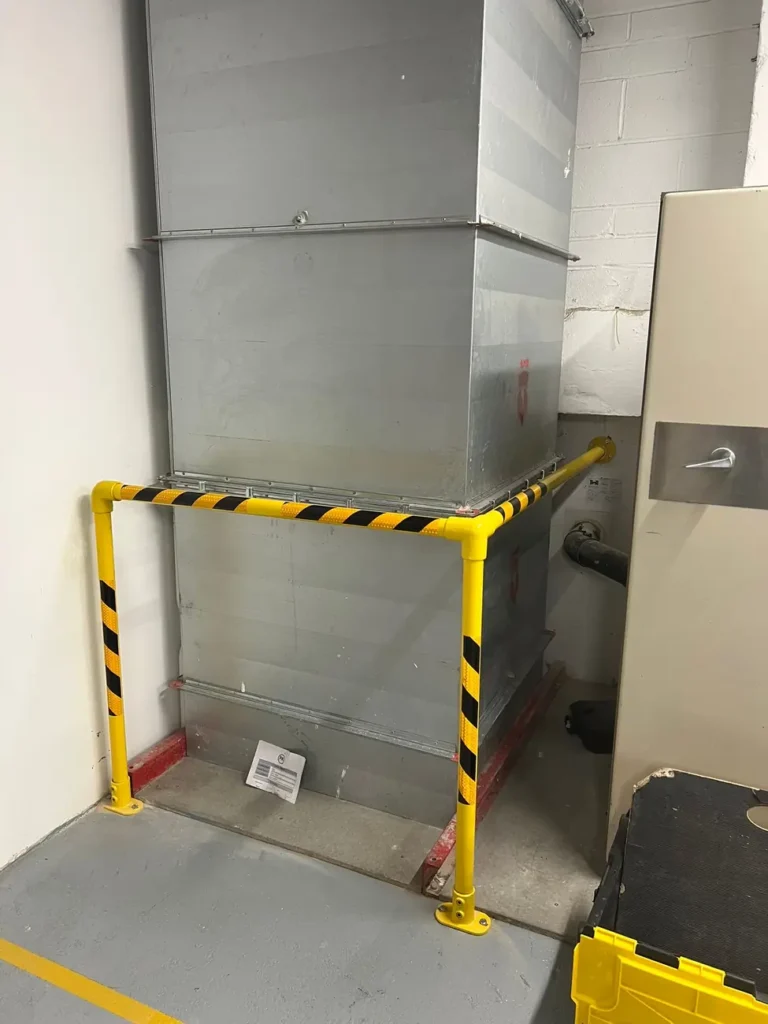
A barrier closes a lane. Where the job is to protect a specific point, keep a pedestrian area clear or stop a vehicle mounting a kerb, the answer is usually a bollard instead, or as well. We'll help you choose.
Barrier bollards, the short fixed bollards set either side of a barrier to stop drivers clipping the mechanism, are worth adding at the same time. They're a small addition, and they save the barrier.
Barrier bollards save the barrier
Set either side of the mechanism, so a driver clips the bollard rather than the gearbox.
Common questions
How does a car park barrier work?
A motor and gearbox in the housing raise and lower a counterbalanced arm. Something tells it to lift, usually a fob, a keypad, an intercom, a proximity reader, a ticket machine or a loop detector buried in the road surface. Something else tells it when it's safe to drop, normally a second loop or a photocell, so it won't come down on a vehicle. The arm is designed to break away or fold rather than take the full impact if it's hit.
What is the difference between a barrier and a road blocker?
A barrier arm controls access; a road blocker resists it. A barrier arm manages traffic that is prepared to stop, and it won't withstand a vehicle that simply drives through it. A road blocker is a steel plate or wedge that rises out of the road surface, specified where the risk is a vehicle that doesn't intend to stop.
Can a barrier be integrated with our existing access control?
Yes, usually. Barriers accept a dry contact input from most access systems, so if you already run readers, fobs or an intercom, the barrier can be triggered from the same credential. We check your existing system at the survey rather than assuming.
Do you maintain barriers you did not install?
Yes, on any make. You don't need a contract to get a one-off repair, and you don't need us to have installed it.
Barriers we have installed