Electric gate repairs, servicing and emergency call-outs
If your gate, barrier or bollard has stopped working, ring us and we'll come and take a look. Any make, any age, and it doesn't matter who installed it. You don't need a contract with us to get a repair.
Same day emergency response when a gate is unsafe or blocking access.
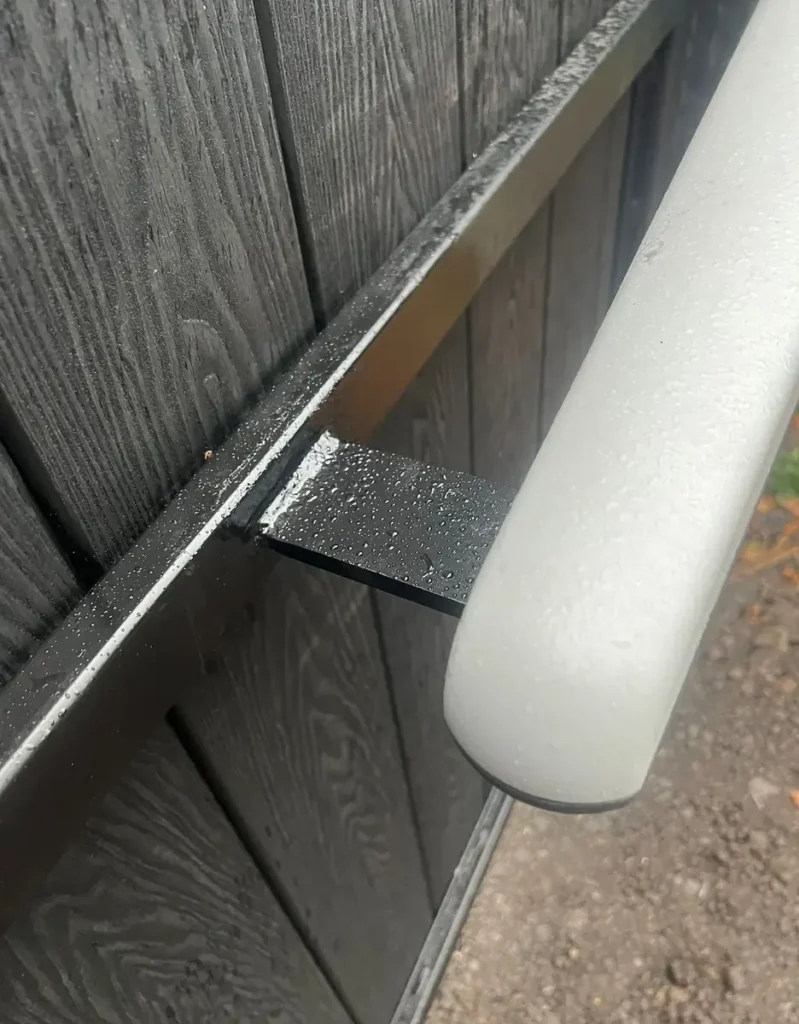
Something has stopped working. Here's what happens next.
Ring us, or send a description
Office 01442 506 390 in hours. Out of hours, if the gate is unsafe or blocking access, ring 07391 668114. If it can wait until morning, the form takes two minutes and you can attach photographs.
We work out what's likely wrong
From what you tell us, so our engineer arrives with the right parts more often than not.
One of our engineers attends
Our own, on our payroll, not a subcontractor picked off a list.
You get a documented job report
What we found, what we did, and what it still needs, so you're never left guessing.
Any make
CAME, FAAC, BFT, Nice, Beninca, DEA, Roger Technology, Locinox and plenty of others. the makes we work on
Any age
Old control boards, discontinued motors and wiring that's been added to over the years are all in a day's work for us.
No contract required
You don't have to sign anything to get one repair done.
Same day emergency response
When the gate is unsafe or stopping people getting on or off site.
What a visit looks like
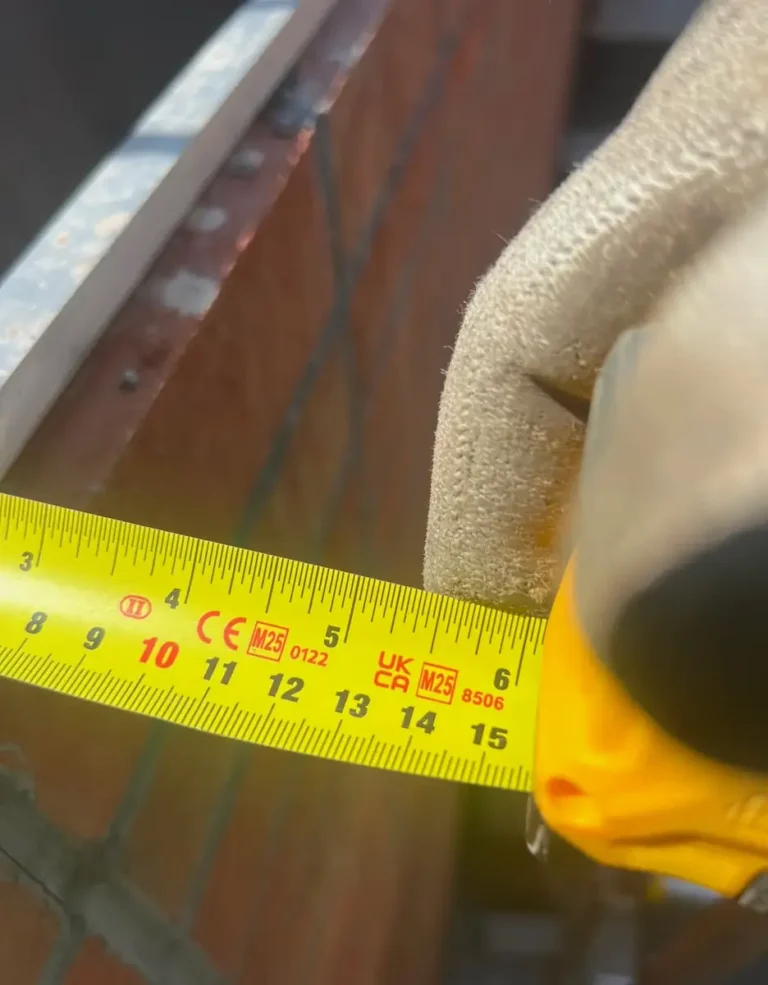
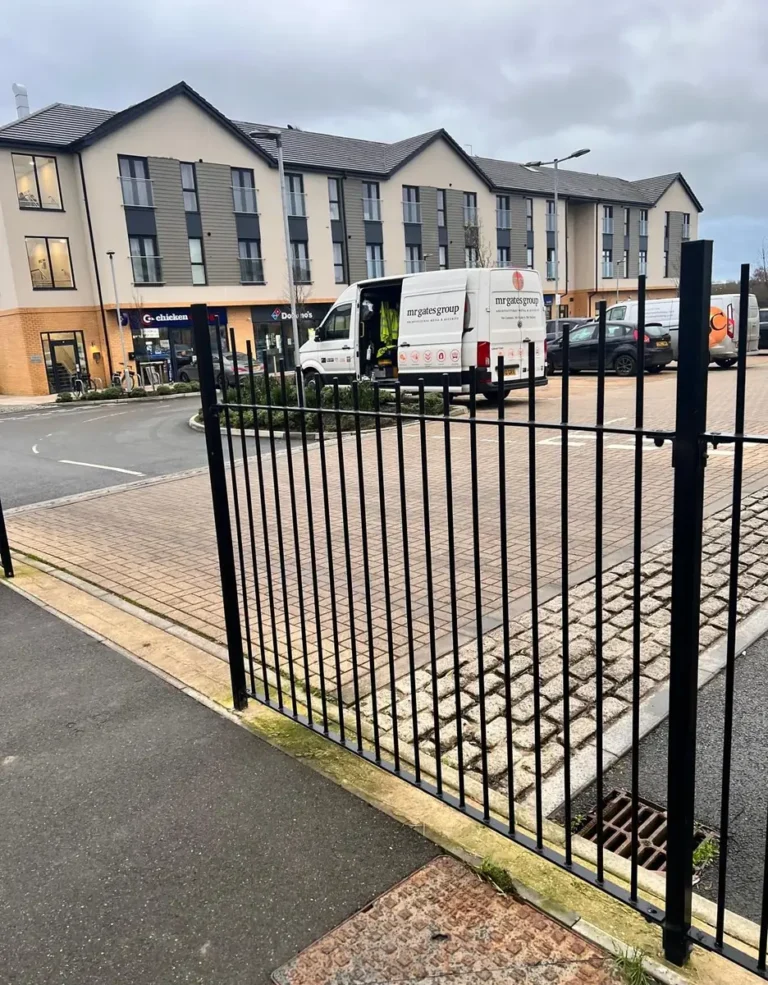
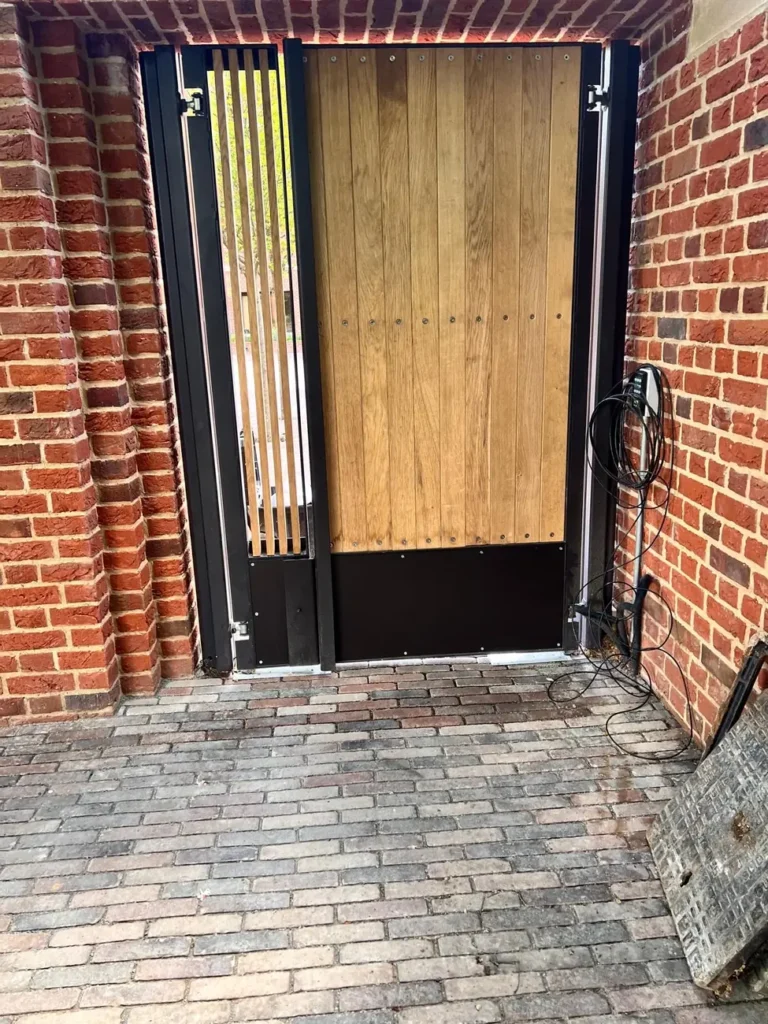
What is your gate doing?
The gate will not open at all
It's usually one of three things: power, the safety devices, or the control board. If nothing on the gate responds, start with the supply and the fuse or breaker for the gate. If the gate has power but ignores everything, the control board has often locked out after detecting a fault. Ring us before resetting it again and again, because a board that keeps tripping is telling you something.
The gate is stuck open
Most often it's a safety device that thinks something is in the way. A dirty, misaligned or waterlogged photocell will hold a gate open indefinitely, and so will a damaged safety edge. It can also be a limit switch that has drifted. Until it's fixed, an open gate isn't securing anything, so it's worth treating as urgent.
The gate opens but will not close
It's almost always the safety devices rather than the motor, for the same reasons as above, because a gate is designed to fail safe by staying open. Have a look for anything sitting in the beam.
The motor hums but the gate does not move
The motor is getting power but isn't turning the gate, which usually means a failed capacitor, a seized or worn gearbox, or a gate that is physically obstructed or has dropped on its hinges. Please stop using it. Running it like this does further damage.
The gate motor does nothing at all
No hum, no movement. Check the supply first. Beyond that it's usually the motor, the capacitor or the wiring between the board and the motor, all of which need an engineer.
The keypad or fob has stopped working
If one fob has stopped, it's normally the battery or the fob itself. If every fob and the keypad have stopped together, it's the receiver, the aerial or the board. Receivers are one of the most common parts we replace.
The gate has come off its track or is dragging
Stop using it and ring us. A sliding gate off its track can fall, and a swing gate dragging on the ground is putting the whole load through the hinges and the motor.
We'll repair a gate we didn't install
Most gate companies only look after their own installations. It's the single most common reason people ring us: the company that fitted the gate has gone, won't come out, or doesn't work on that make.
We're happy to help. We diagnose across the mechanical, electrical and control parts of a system, and we don't need to have built it to be able to fix it. If the original installer used a make we don't stock, we'll source the parts or, where a board is genuinely obsolete, tell you honestly what it would take to replace it.
What a planned service visit involves
Every visit ends with a documented job report. What our engineer found, what was done and what the system needs next. It's what a facilities manager or managing agent needs when somebody asks whether the gate is being looked after, and it's what an insurer or an assessor will ask to see.
Force testing is part of planned maintenance, not a one-off. dhf TS 013-1:2021, the trade body code of practice for the safety of powered gates and traffic barriers, states at section 6.5 that force testing is necessary on any system using force limitation as part of commissioning new systems, when adjustments are made that could alter force, and as part of regular planned maintenance. The same section requires the test to be made with an annually calibrated instrument complying with EN 12453 or EN 12445.
We look after systems we didn't install, on any make, so a service contract with us doesn't depend on who put the gate in.
Choose the level of cover your site actually needs
Fitting a gate is only the start, and looking after it is what really counts. We hold 100+ maintenance contracts. A contract isn't compulsory, and we'll still come out to a one-off fault without one, but it changes what you pay and how quickly you're seen.
What every contract includes
- Lower call-out charges when something does go wrong.
- Discounts on parts and on additional services.
- A priority enquiry line, so as a contract customer you're not in the same queue as everybody else.
- An annual service reminder, so the visit never quietly gets forgotten.
- A two year parts and labour warranty on systems held under a service contract.
- Discounts on project work taken alongside a contract.
Essential
For quieter gates, where an annual look and the paperwork is what's needed.
Planned
For sites that need scheduled attention through the year rather than one visit.
Priority 24/7
For sites where a stuck gate stops the business. Out of hours attendance is available to clients with the relevant service level agreement in place, and this is the plan that carries it.
Safety settings drift, which is why one commissioning check isn't enough
A powered gate stays safe for the people using it because of its safety devices and its closing forces, and both change over time. Hinges wear, gates drop, photocells move, safety edges get knocked, and somebody adjusts something.
dhf TS 013-1:2021, at section 6.5, states that force testing is necessary as part of commissioning new systems, when adjustments are made that could alter force, and as part of regular planned maintenance. The same code of practice sets out the maximum permitted forces and how long they may exist for: force may remain above 25 newtons for no more than 5 seconds and above 150 newtons for no more than 0.75 seconds, with a maximum of 400 newtons permitted at crush, shear and draw-in hazards and 1400 newtons at impact-only hazards.
Who carries the responsibility. The same document states, at section 14, that for existing systems under maintenance or repair the ultimate legal responsibility is the owner's or the manager's. The UK Health and Safety Executive's guidance on powered gates puts owners and occupiers of commercial premises under the Workplace (Health, Safety and Welfare) Regulations 1992, and landlords and managing agents under Section 3 of the Health and Safety at Work etc Act 1974.
That's why a planned schedule makes more sense than a call when it breaks: problems get found before they strand you.
Sources cited on this page: dhf TS 013-1:2021 sections 6, 6.5 and 14; HSE guidance on powered gates, legal responsibilities.
Our own engineers, and a written history of your system
Directly employed engineers. Our engineers and core workforce are on our payroll rather than subcontracted. It's how we've chosen to run the business, and it's why the same friendly faces come back to the same sites.
Every visit is recorded. We run the business on Simpro and Airtable, so every system we look after has a history: what's been done to it, what's been replaced, and what was flagged last time. When a board finally fails, we already know how old it is.
The Service and Reactive team. Sunil has headed it since 2009, Maria has managed it since 2019, and Jason and Jonathan have been our engineers since 2019. That's unusual continuity in this trade.
Common questions
Will you repair a gate you did not install?
Yes. We service and repair systems we didn't install, on any make, and it's one of the main reasons people ring us. We diagnose across the mechanical, electrical and control parts of a system, not only the parts we're most familiar with.
Do you service gates from any manufacturer?
Yes. We work regularly with CAME, FAAC, BFT, Nice, Beninca, DEA, Roger Technology and Locinox, among others. We're not tied to a single manufacturer, so we're not limited to the makes one brand will let us touch.
Do I need a contract to get a repair?
No. A one-off call-out is fine and you don't have to sign anything first. A contract gets you lower call-out charges, discounts on parts and additional services, a priority enquiry line and an annual service reminder, but it isn't a condition of us coming out.
What does the two year warranty cover?
Two years of parts and labour, on systems held under a service contract with us. The service contract is the condition, not the small print: the warranty applies to systems we're looking after on an ongoing basis.
How often should electric gates be serviced?
It depends on how hard the gate works, and we'll recommend an interval at the survey. dhf TS 013-1:2021, the trade body code of practice, doesn't set a single universal interval, but it does state at section 6.5 that force testing is necessary as part of regular planned maintenance, and it requires the testing instrument to be calibrated annually.
What is included in a gate service?
Every planned service visit covers the mechanical, electrical and control parts of the system, includes force testing where the gate relies on force limitation, and ends with a documented job report saying what we found, what we did and what the system needs next. The force testing isn't an optional extra: dhf TS 013-1:2021 states at section 6.5 that it is necessary as part of regular planned maintenance, using an instrument calibrated annually to EN 12453 or EN 12445. Beyond that, what a visit covers depends on the gate, the make and how hard it works, so we set the scope against your system rather than a standard list, and it's written into the contract before anybody attends. Just ask and we'll talk you through exactly what your visit includes.
Related services
New automated gates
Design, manufacture and installation, plus automating a gate you already have.
New automated gatesBarriers
Car park barriers, road blockers and height restriction barriers.
BarriersGate access control
Intercoms, keypads, fobs and readers, on any make.
Gate access controlCommercial and specifiers
Reliable entrances, with the compliance and documentation behind them.
commercial and specifier enquiriesHomeowners
Gates for the drive, automation and repairs.
gates and repairs for your homeWhere our engineers work
Gates we service and repair